I think this is significant because some people vape for their health and I’m pretty sure pyrolysis and incomplete combustion are worse than just smoking. Also I’m curious if someone actually knows.
I’ve noticed for a long time that what we call combustion usually isn’t. There is no flame, no ash. I’ve seen a cherry once in my Quartz Cap, but certainly “combusted” more than once.
I’m not really certain if it’s a lack of oxygen density at high temperatures, or just not getting to autoignition temps long enough. Or a combination?
I’m not a scientist, I’m a pothead. Although I do have a 1st place science fair ribbon somewhere. It would be cool if there were a more definitive answer as to what is ABV and what is coal.
Interesting stuff for sure. It’s great to take it to the edge of combustion, but when white vapor turns to yellowish fog… turn off the heater and get to cleaning the glass.
Had a Bonger condenser clog with tar after just a few combusts while learning Wand. It’s much narrower than a bong down stem.
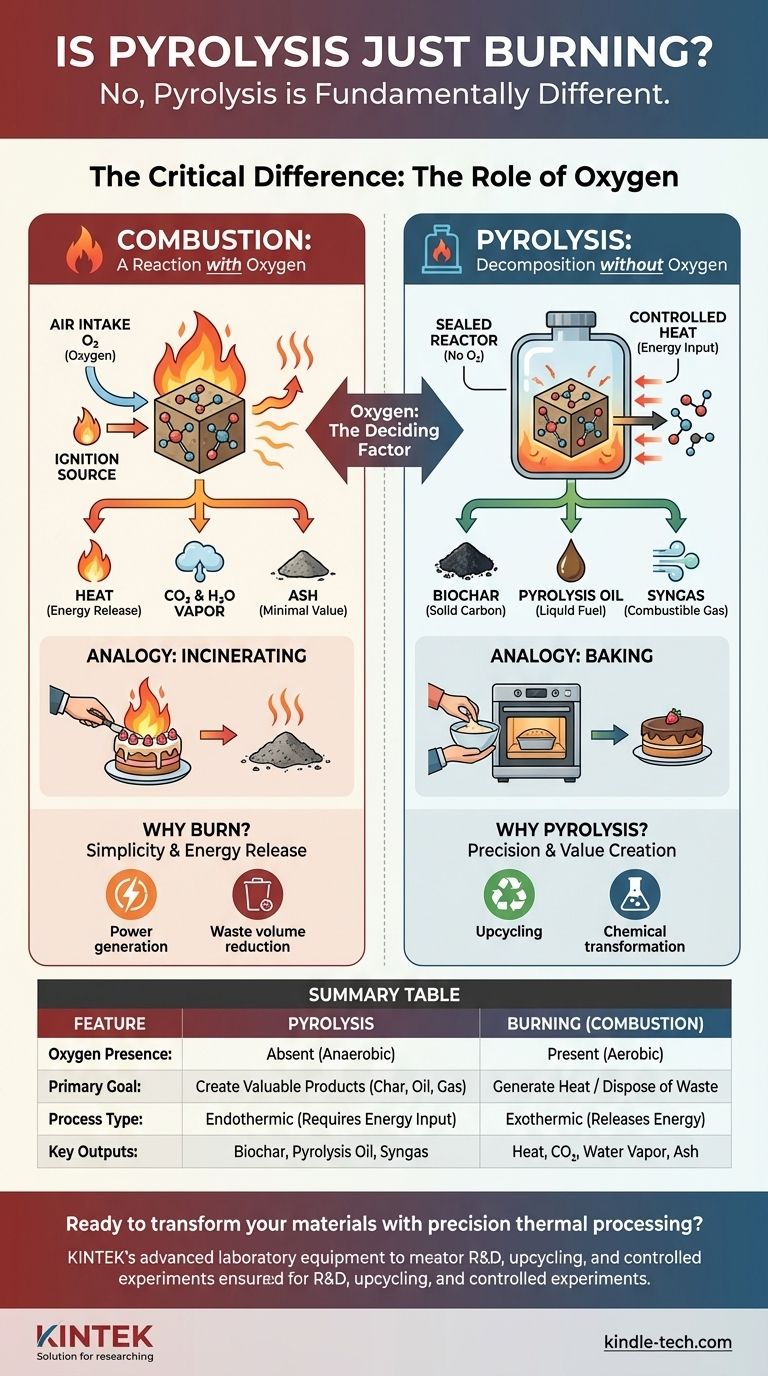
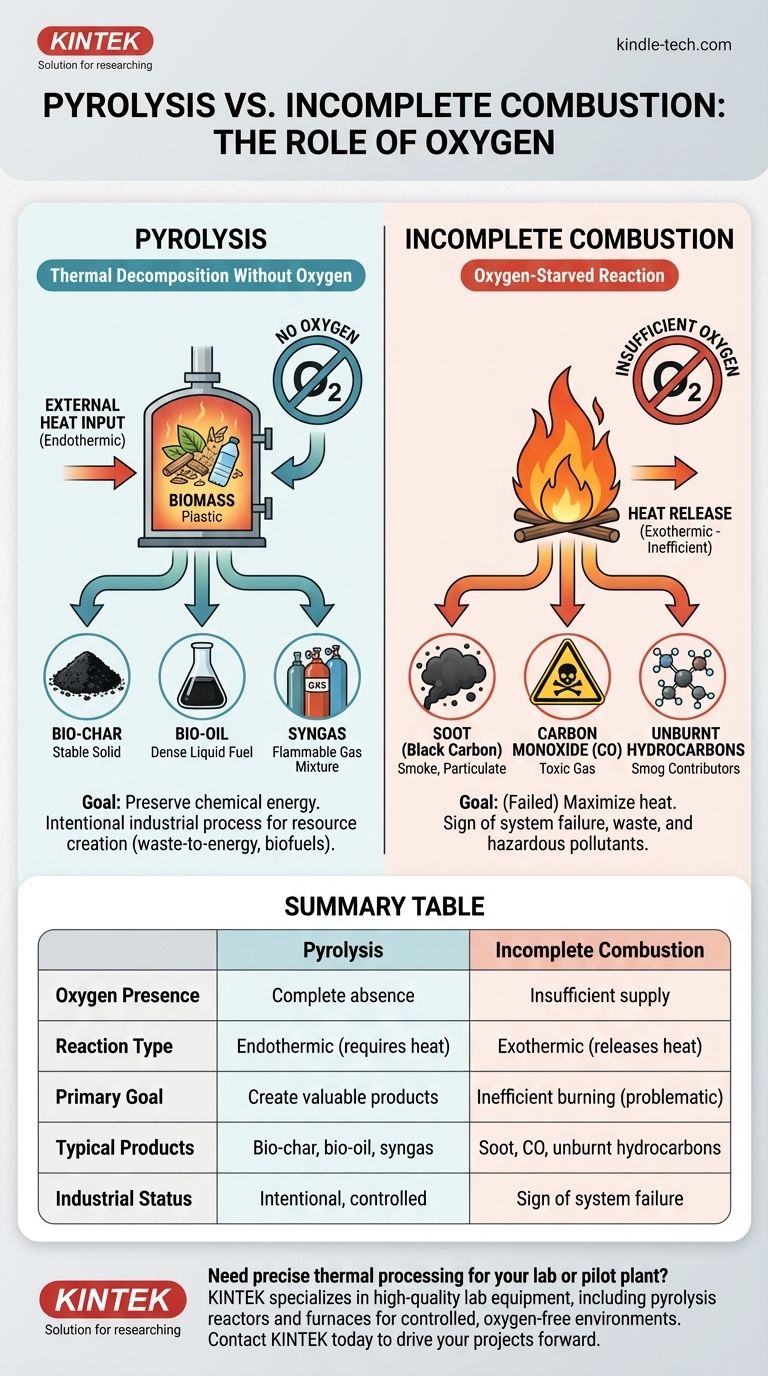
What we call combustion is in fact partially pyrolysis and partially combustion, as well as partially vaporization. It’s complicated. Some scientific literature refers to combustion in the context of smoking as pyrolysis. You can also refer to this as complete vs incomplete combustion.
The fire triangle requires heat, fuel, and oxidizer (oxygen). Solids not containing a separate oxidizer can only burn on their surface, because that is where the oxygen is. Glowing hot coals are an example, without a flame. Vapors, however, are flammable. The flames from a wood fire for example are burning “wood gas”. The wood underneath is being pyrolyzed into wood gas and charcoal, which also combusts on the surface. White ash left behind at the end is the mineral content of the wood, and black ash is partially carbon, which could be combusted.
If smoking was complete combustion, it wouldn’t be nearly as harmful to inhale. The products of a perfect, complete combustion reaction are carbon dioxide and water vapor. However that would also destroy all your actives and aromatics. So some of the heat liberated by combustion is used to vaporize those. Some of it is used to pyrolyze the material, which may be subsequently combusted. And some of it is used to vaporize the water in the material. The cooling provided by this vaporization of water is key in keeping the temperatures low enough to support vaporization rather than complete degradation and/or combustion of the actives/aromatics.
The harmful products of pyrolysis or incomplete combustion include carbon monoxide which is poisonous, benzene which is a carcinogen, and polycyclic aromatic hydrocarbons (PAHs) which can be carcinogenic.
To answer your specific question, it’s the lack of oxygen. Once you ignite the material, it’s a self sustaining process, where some of the heat from combustion raises the rest of the material to combustion temp or above. And the difference between AVB and coal is that in coal, the plant matter (mostly cellulose) is pyrolyzed into carbon. I think of it as brown vs black. You can get a very dark brown AVB without turning to coal, that’s from the Mailard reactions. But once it goes to carbon black, you’ve entered pyrolysis territory.
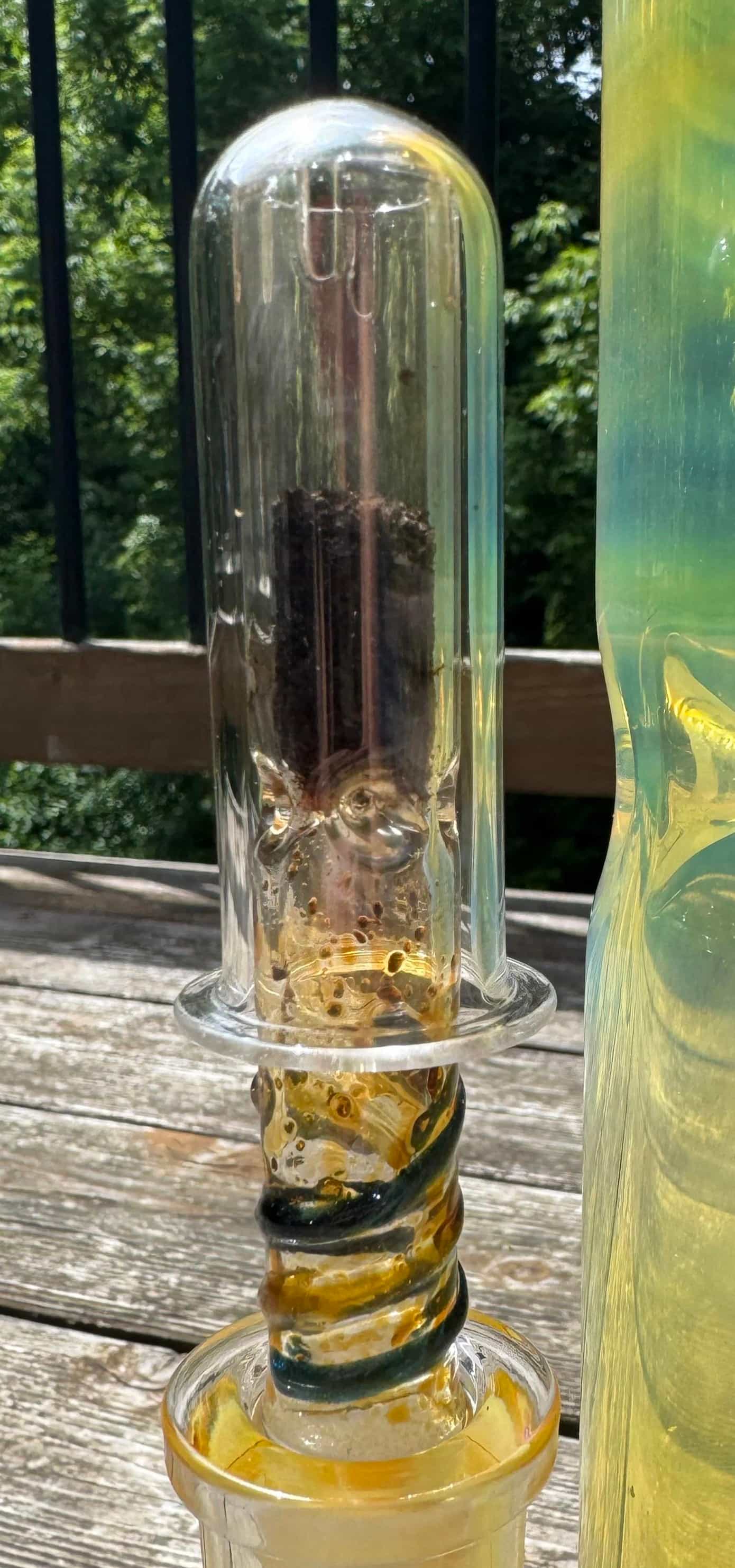
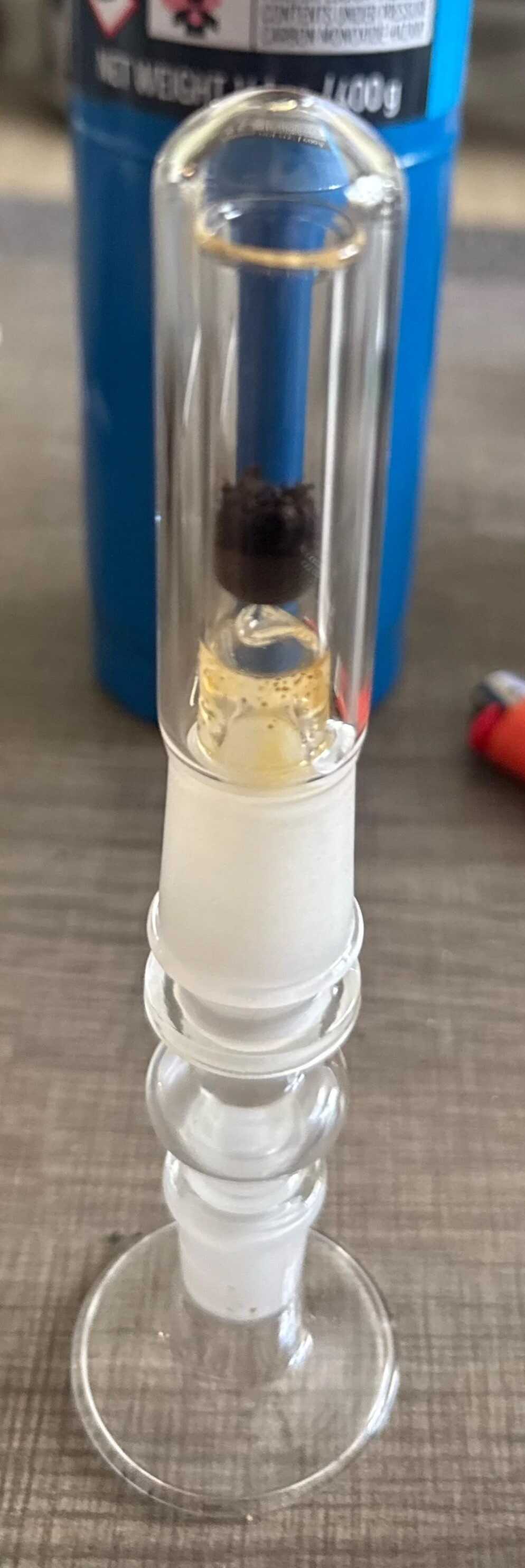
 Interesting stuff for sure. It’s great to take it to the edge of combustion, but when white vapor turns to yellowish fog… turn off the heater and get to cleaning the glass.